

From a Football Tournament to a Global Conversation
The FIFA World Cup 2026 will be remembered for Spain’s historic triumph over Argentina, but the tournament also left behind another lasting story—one that extended far beyond football. Alongside memorable matches and unforgettable goals, visa disputes, travel concerns, refereeing controversies, and political narratives became part of the global conversation.
By the time Spain lifted the trophy, it was evident that this World Cup had become more than a sporting event. It had also become a reflection of how politics and public opinion increasingly influence international sport.
Before the First Goal… Trouble Had Already Arrived
The tournament faced criticism even before the opening match. Reports that a Somali referee was unable to officiate because of visa-related issues raised questions about tournament planning and international coordination. Many observers argued that a competition of this scale should ensure that logistical barriers do not affect elite match officials.
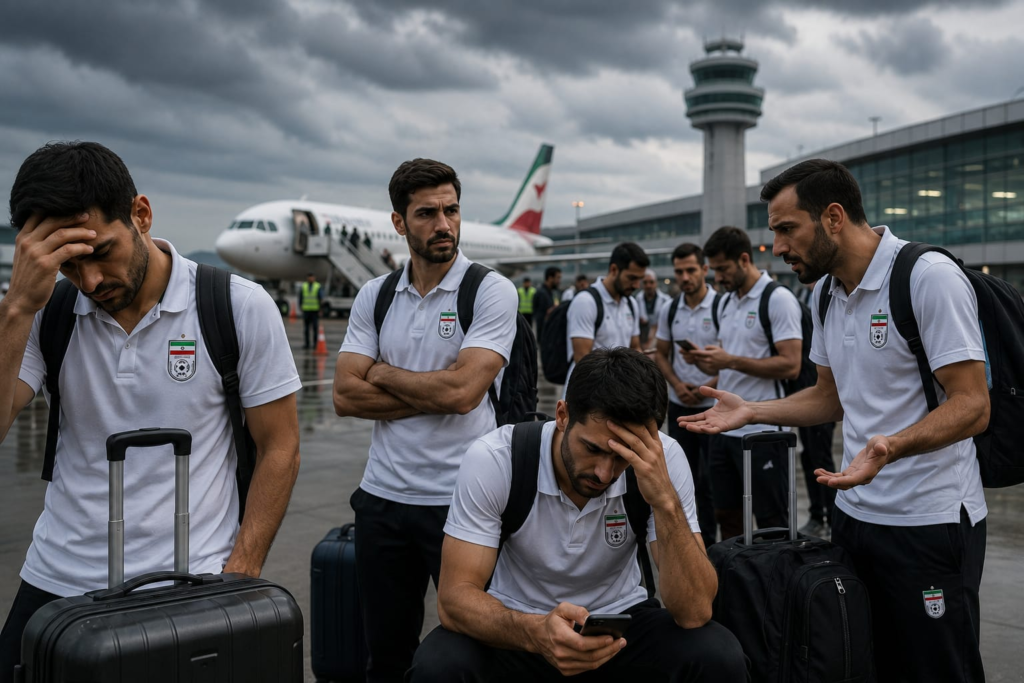
Iran also expressed concerns over visa procedures, travel arrangements, and logistical challenges, claiming that these issues created unnecessary difficulties during the tournament. Although organizers maintained that operations were being managed according to regulations, the complaints attracted international attention.
One Phone Call… Endless Questions
Another major controversy emerged after reports that U.S. President Donald Trump contacted FIFA President Gianni Infantino regarding the suspension of an American player Folarin Balogun following a red card.
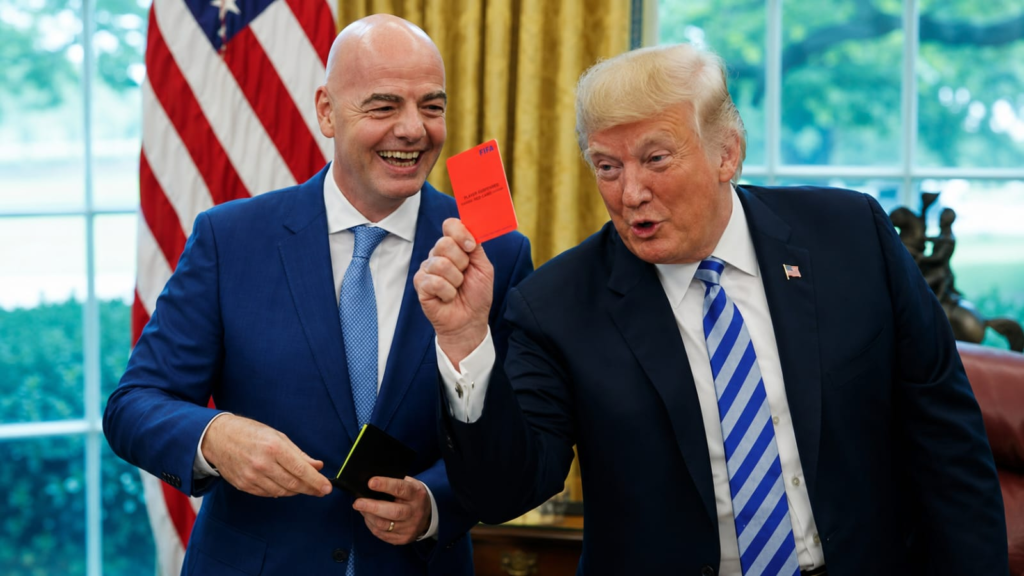
FIFA lifted the suspension, making the player eligible to return. While FIFA maintained that the decision followed its disciplinary procedures, the sequence of events fueled debate about the organization’s independence. Supporters defended FIFA’s explanation, while critics argued that the incident damaged public confidence in the governing body’s credibility.
The Match That Changed Everything
Few matches generated as much online discussion as the knockout clash between Argentina and Egypt. Several refereeing decisions became the subject of intense debate, with many fans claiming Argentina had benefited from crucial calls.
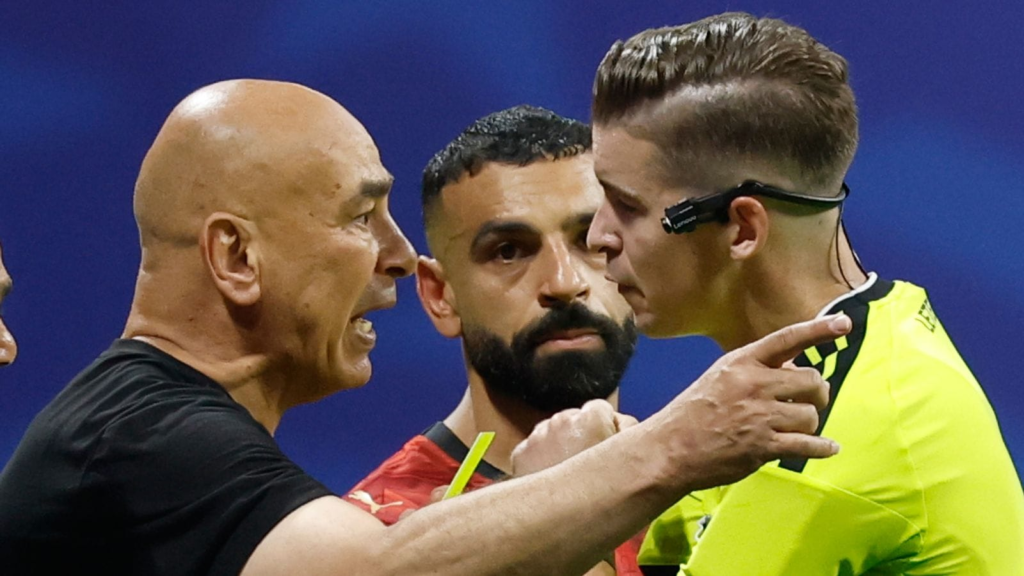
Although no official investigation established wrongdoing, the controversy dominated social media and added to broader discussions about consistency in officiating and transparency in decision-making.
When Football Stopped Being Just Football
The final between Spain and Argentina brought another dimension to the tournament. Across social media, many supporters celebrated Spain not only because of its footballing success but also because of the country’s widely perceived support for Palestine.
Videos circulating online showed celebrations and the distribution of sweets in parts of the Palestinian territories following Spain’s victory. At the same time, many pro-Israel commentators expressed disappointment with the outcome. Football had become intertwined with wider political narratives that extended well beyond the pitch.
The Real Final Was Played on Social Media
World Cup 2026 demonstrated the unprecedented influence of social media. Every refereeing decision, disciplinary ruling, and political statement was instantly debated by millions around the world.
In many cases, online narratives spread faster than official explanations, making it increasingly difficult for governing bodies to shape public perception.
The Trophy Found a Champion… But Football Lost Something
Football has always brought people together, regardless of nationality, religion, or politics. Yet World Cup 2026 illustrated how difficult it has become to separate sport from global affairs in the digital age.
Spain will forever be remembered as the FIFA World Cup 2026 champion. However, this tournament may also be remembered for something else: it highlighted how modern football increasingly exists at the intersection of sport, politics, and public opinion. Whether that trend strengthens or weakens the game remains a question for future tournaments to answer.
