
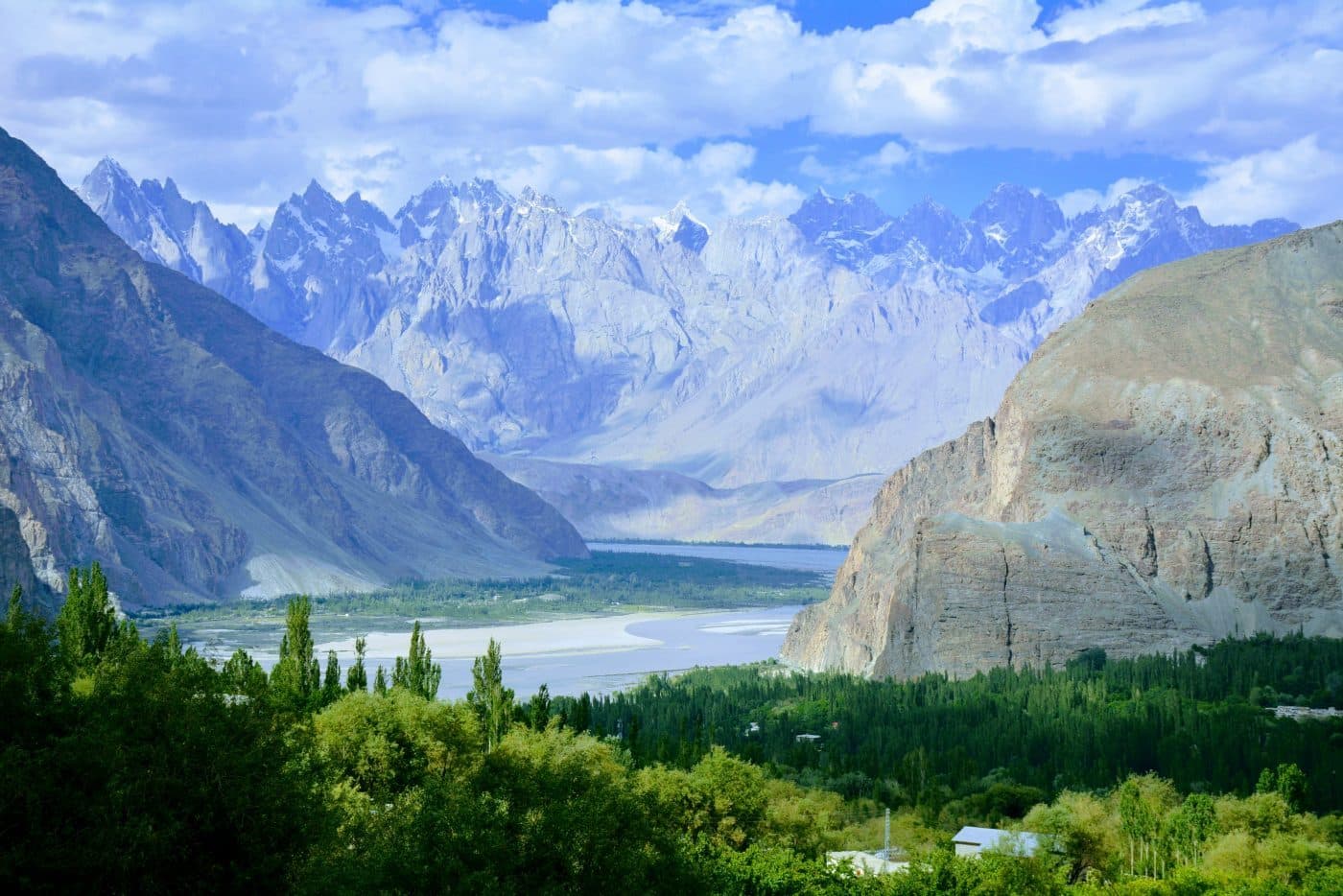
In just two weeks, climate disasters have ravaged Gilgit Baltistan—leaving nine dead, homes destroyed, and villages cut off.
Chief Secretary Abrar Ahmed Mirza revealed that a deadly mix of glacial melts, heatwaves, and relentless rain triggered flash floods and landslides across the region, with Diamer and Astore worst hit. “We’re facing back-to-back disasters—first scorching heat, then floods from the skies and glaciers,” he said in a press briefing.
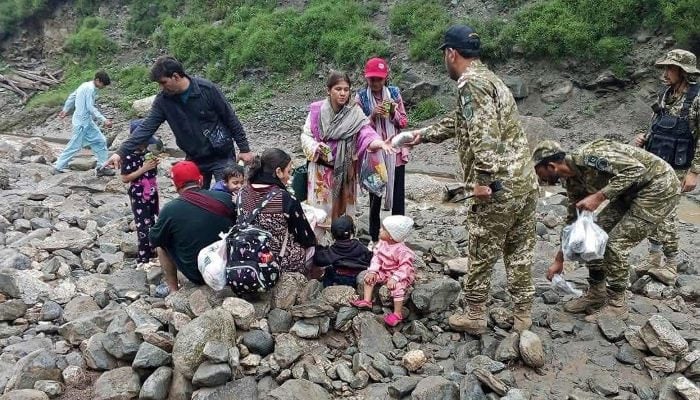
From June 10 onward, at least eight lives were lost in Diamer’s Thak and Thor valleys, and another in Astore. Around 200 homes were swept away or damaged, key bridges collapsed, and roads turned to rubble—especially in Kharmang, where entire villages were cut off.
Most disasters stemmed from glacial lake outburst floods (GLOFs), made more frequent by global warming. Rescue teams, including the Pakistan Army and GB Scouts, rushed in to evacuate trapped tourists and locals. Helicopters were deployed to reach the inaccessible.
“Despite our travel warnings, people don’t change their plans until disaster strikes,” Mirza warned, adding that the full extent of the destruction is still being assessed and the death toll could rise as several vehicles remain missing.
National Toll Rising
Meanwhile, torrential monsoon rains continue to batter the country. In the last 24 hours alone, six more people were killed—including three in Khyber Pakhtunkhwa, two in Islamabad, and one in Sindh—raising the season’s nationwide death toll to 258.
Among the victims: 89 men, 46 women, and a staggering 123 children. Over 1,000 homes have been demolished and more than 360 livestock lost since the rains began.
Pakistan’s climate crisis is no longer a distant warning—it’s here, and it’s claiming lives.
