
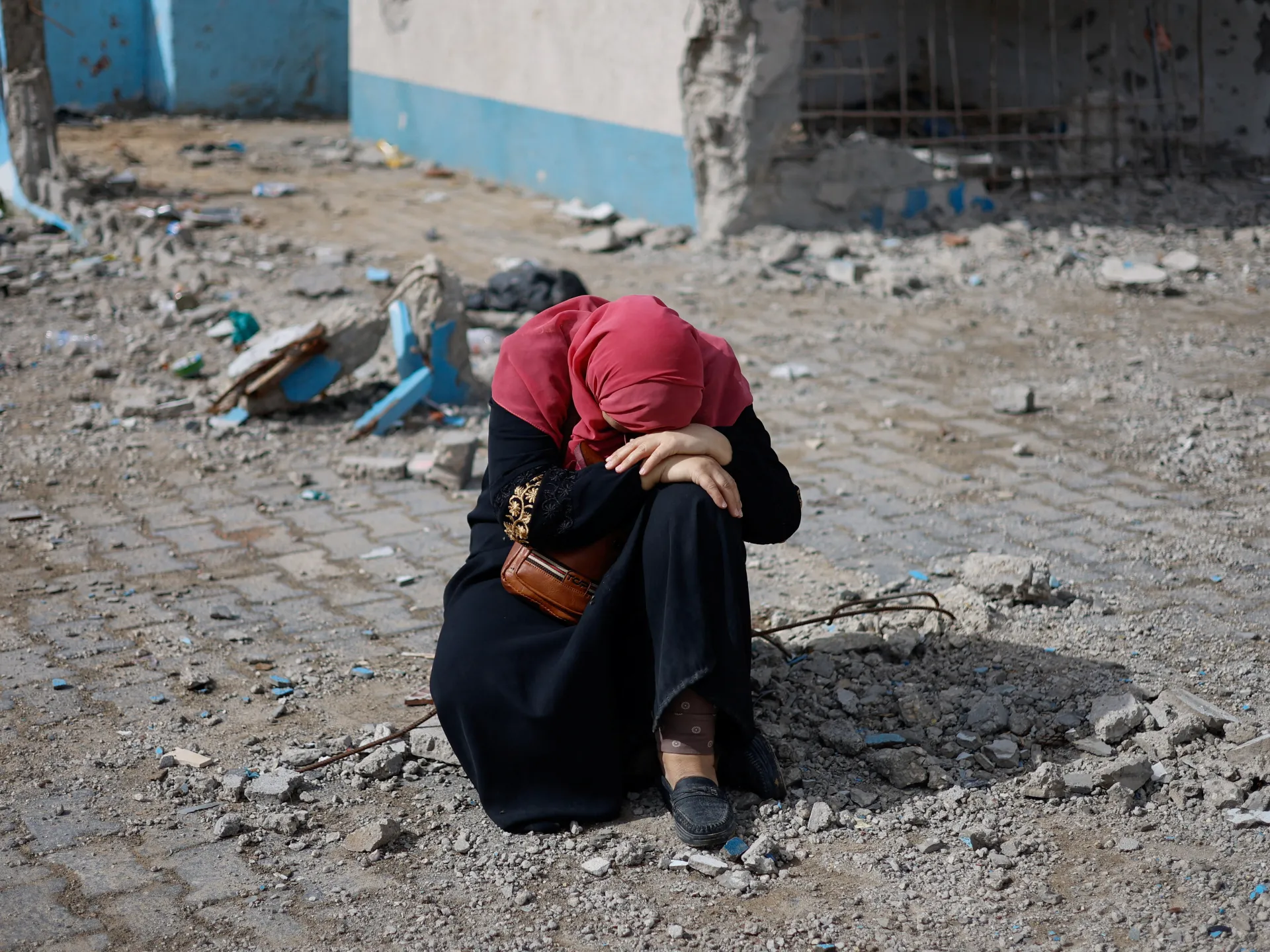
Global watchdog warns Russia and Israel could join list of worst offenders if abuses continue
The United Nations has delivered one of its most forceful warnings yet to Israel and Russia, cautioning that their forces could soon be officially listed among parties “credibly suspected” of committing sexual crimes during armed conflicts.
In a damning annual report, UN Secretary-General António Guterres said there is credible evidence that troops and security forces from both countries have engaged in sexual violence, genital torture, forced nudity, and repeated degrading strip searches. These acts, the report says, have occurred in detention centers, military facilities, and conflict zones.
Israel Under the Microscope
The report notes that since the start of the Gaza war, Israel has prosecuted five soldiers for abusing a Palestinian detainee—charges that include stabbing the prisoner with a sharp object. However, the UN says such cases are rare and that Israel’s refusal to allow UN investigators access to detention sites has hampered the collection of evidence. Israel has rejected the findings, calling them “extraordinary” and “politically motivated,” insisting that it maintains strict accountability measures and accusing the UN of ignoring Hamas’ atrocities.
Russia’s Prisoner Abuse Allegations
Russian forces, including associated armed groups, are accused of targeting Ukrainian prisoners of war with sexual abuse, electric shocks to the genitals, beatings, and forced stripping—often to extract confessions or as acts of humiliation. Moscow has yet to issue an official response to the allegations.
A Global Surge in Sexual Violence
The warning comes amid a wider crisis: the UN reports a 25% global spike in conflict-related sexual violence in 2024, with more than 4,600 verified survivors—many of them women, children, and men in captivity. The annual “List of Shame” already includes 63 parties from conflicts in countries such as Sudan, Somalia, the Democratic Republic of Congo, and Myanmar.
A Final Warning
Guterres has urged both Israel and Russia to take “concrete and verifiable” steps, including granting full access to UN monitors, ensuring independent investigations, and prosecuting all offenders—warning that failure to act will almost certainly see their names appear in next year’s list of violators.
As the stakes rise, the UN’s message is blunt: sexual violence in war is not just a byproduct of conflict—it is a war crime. And the world is watching.