
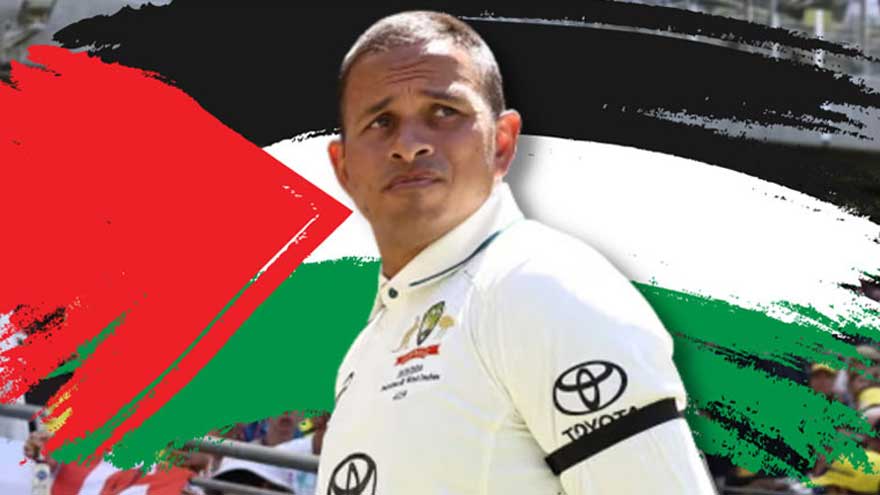
Australian cricketer Usman Khawaja continues to be one of the most outspoken voices on global human rights, using his platform to raise issues beyond the boundary line. From standing with Gaza to challenging double standards in sport and media, Khawaja has made his principles clear.
Heading to Parliament with Gaza on the Agenda
Khawaja announced he will go to Canberra to urge Prime Minister Anthony Albanese to adopt tougher measures, including sanctions on Israel until humanitarian aid reaches Gaza and violence comes to an end.
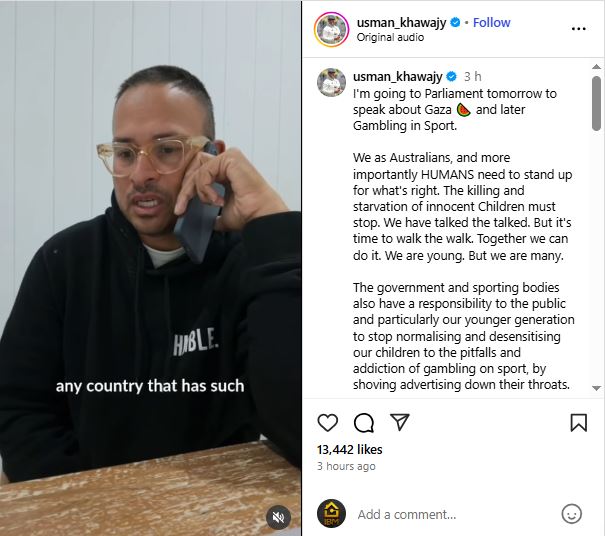
He stressed that innocent lives—especially children—must not continue to be lost to war and starvation.
Defying ICC Over Palestine Solidarity
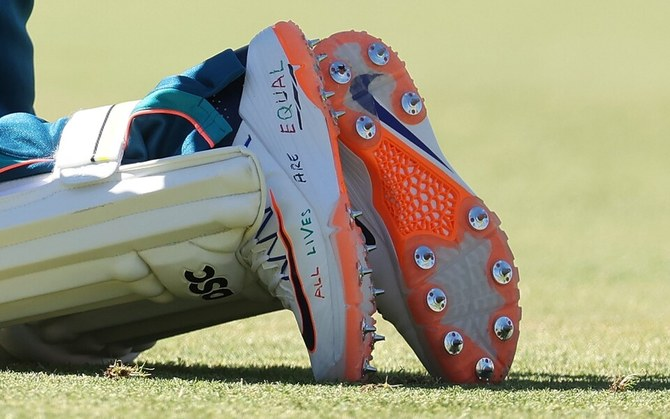
In December 2023, Khawaja was reprimanded by the ICC for wearing shoes marked with the slogans “All lives are equal” and “Freedom is a human right” in the colors of the Palestinian flag.
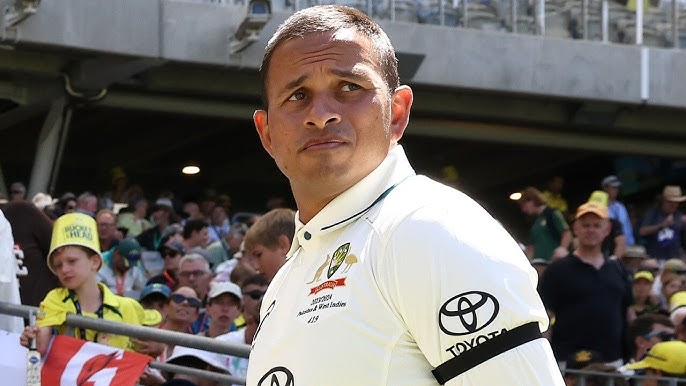
He also wore a black armband during a Test match, explaining it as a personal expression of grief, not a political protest. His stance highlighted what he called “inconsistencies” in how the ICC applies its rules.
Standing Up for Press Freedom
Earlier this year, Khawaja backed senior cricket journalist Peter Lalor, who was removed from radio station SEN after posting pro-Gaza content on social media. Calling the decision “unbelievable,” Khawaja insisted that supporting Palestinians is about justice and human rights, not antisemitism.
Silent Protest in the West Indies
During Australia’s tour of the West Indies, Khawaja refused to give an interview to SEN in protest against Lalor’s dismissal. The quiet but powerful gesture was widely praised, with Lalor describing him as a “man of principle.” Even SEN’s management acknowledged and respected Khawaja’s decision.
Why It Matters
- Beyond Cricket: Khawaja is proving athletes can influence conversations on human rights.
- Consistency: He has shown he is willing to challenge powerful bodies like the ICC and media houses when principles are at stake.
- Integrity in Action: Whether in Parliament or on the pitch, his stand underscores that sports can be a platform for conscience, not just competition.