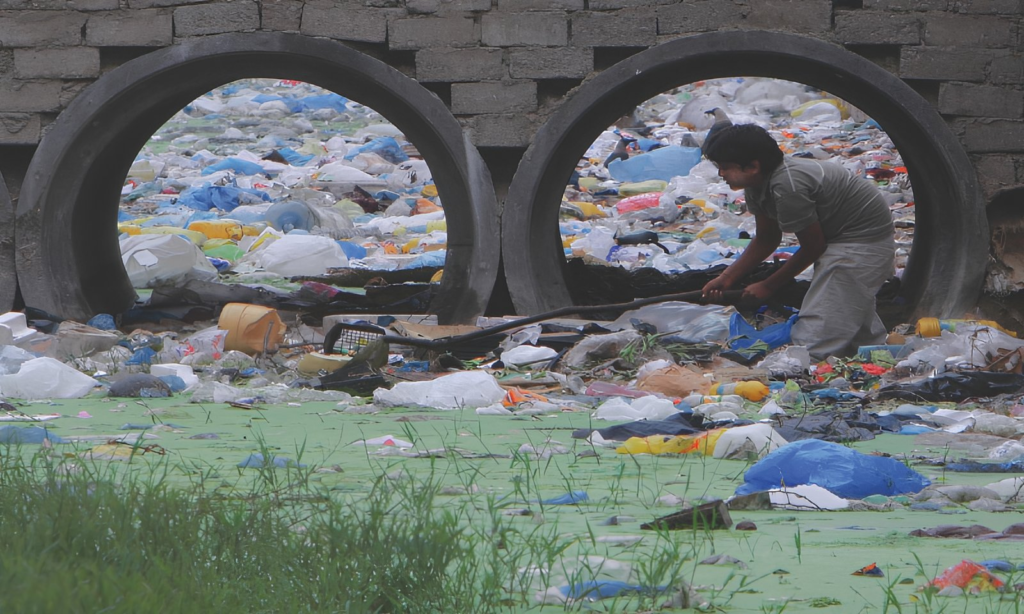
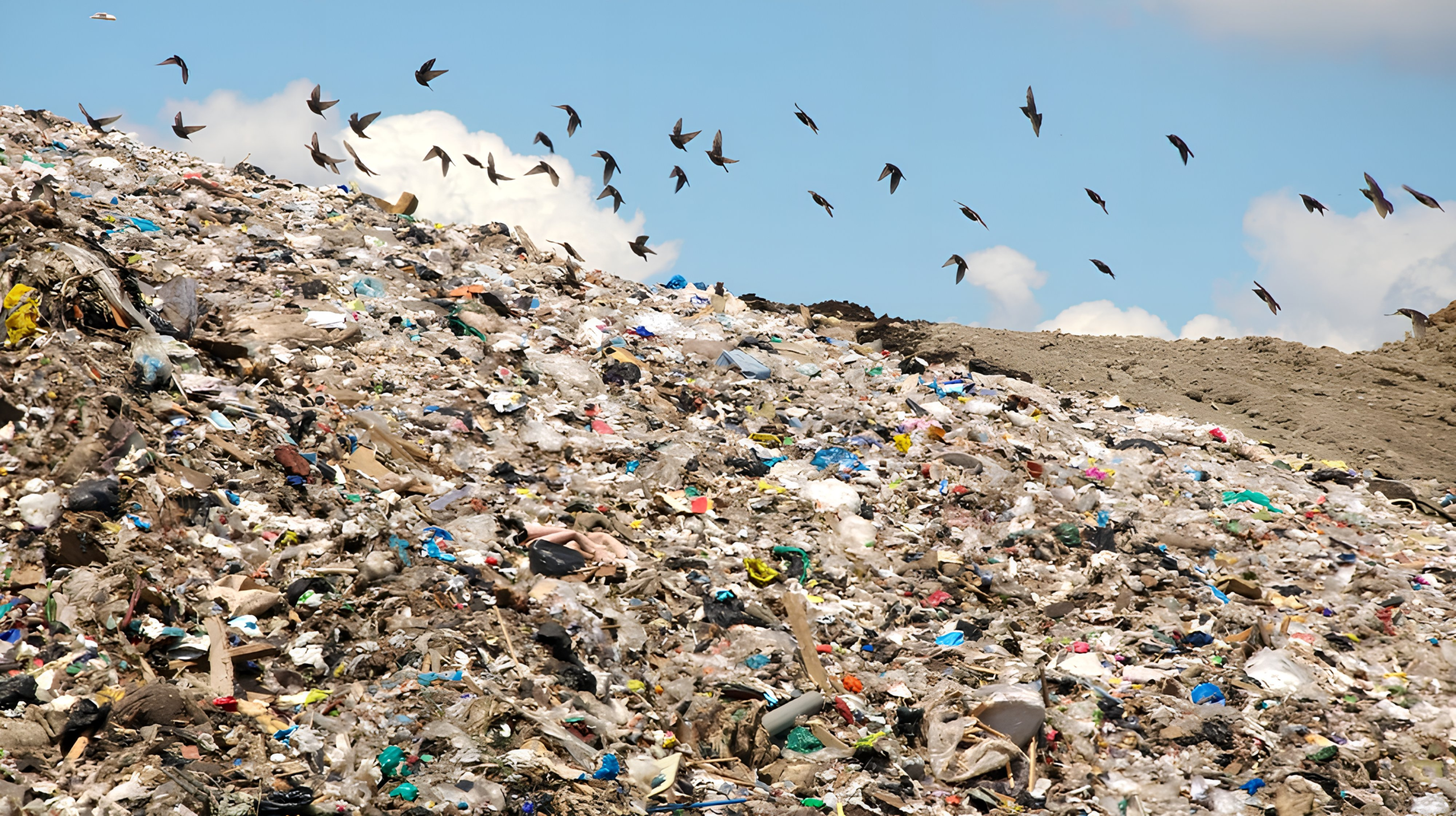
Karachi, Pakistan’s largest and most densely populated city, is facing an escalating waste management crisis. With millions of residents and rapidly expanding urban areas, the city now produces nearly 14,800 tons of solid and municipal waste daily, surpassing major regional cities such as Mumbai, Delhi, and Dhaka. Experts warn that if urgent measures are not implemented, this mounting waste could have severe consequences for public health, the environment, and Karachi’s future as a sustainable megacity.
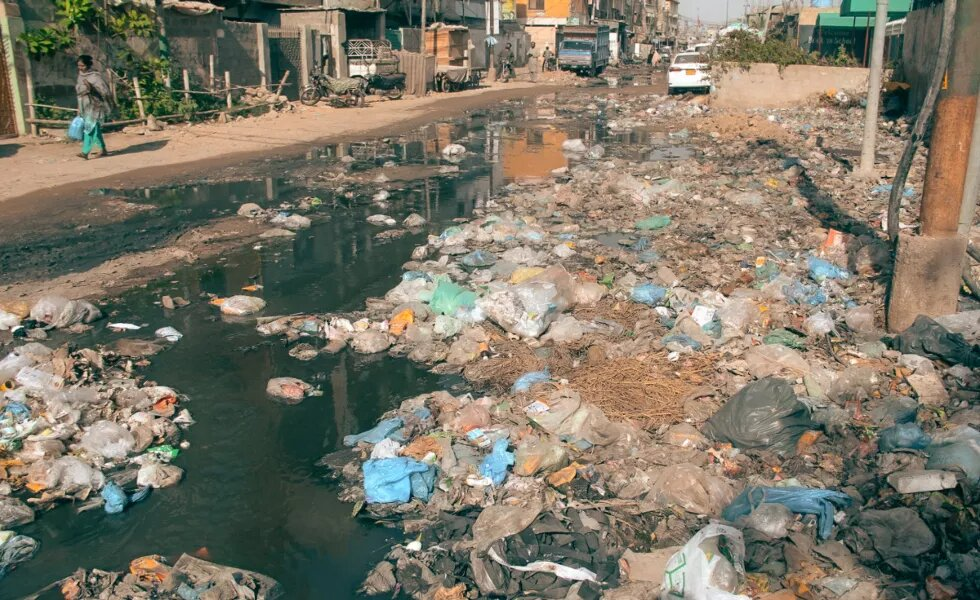
Recent discussions among environmentalists, government officials, and community leaders have highlighted the urgent need for comprehensive and modern waste management solutions. The city’s struggle with garbage collection and disposal reflects deeper issues of urban planning, civic responsibility, and resource management
Waste Generation by District
According to Tariq Ali Nizamani, Managing Director of the Sindh Solid Waste Management Board (SSWMB):
District Daily Waste (Approx.) Notes
District Central 3,000+ tons Highest waste generation in the city
East ~2,200 tons Moderate contribution
West ~2,000 tons Includes both residential and commercial waste
South ~1,800 tons High commercial waste
Malir ~1,700 tons Growing urban areas
Korangi ~1,600 tons Industrial and residential waste
Other Districts Remaining comparison
Total Karachi ~14,800 tons City-wide daily total
Around 42% of the city’s waste is organic, offering significant potential for biogas or compost production. Karachi is also responsible for approximately 25% of Pakistan’s total recyclable plastic waste, highlighting the critical need for efficient recycling and sustainable waste management practices.
Biogas Plants and Sustainable Initiatives
To tackle the crisis, SSWMB announced that the city’s first biogas plant will begin operations on December 15, 2025, in Bagh Ibn-e-Qasim (Clifton). The plant will process seven tons of livestock waste daily, supplying low-cost cooking fuel to 70–80 households without gas connections.
In the next phase, the facility will also generate electricity to help alleviate power shortages in the park and surrounding areas. Plans are also underway for a second biogas plant at Cattle Colony to reduce marine pollution caused by untreated livestock waste flowing into the sea.
Additional initiatives include the development of composting plants, garbage transfer stations, and engineered sanitary landfills under the World Bank-supported Solid Waste Emergency and Efficiency Project (SWEEP). These projects aim to modernize Karachi’s waste infrastructure and align it with global environmental standards.
Administrative Measures and Public Involvement
The SSWMB currently deploys over 13,000 workers and 2,300 vehicles across Karachi for waste collection and disposal. Advanced technology allows real-time monitoring of the waste management process from households to landfills. Citizens can report uncollected waste through a dedicated helpline, call center, and mobile application, ensuring round-the-clock oversight.
However, mismanagement, negligence, and low public awareness continue to undermine these efforts. A significant portion of waste is still disposed of improperly, resulting in environmental degradation and health hazards. Heavy vehicles scattering garbage on roads could soon face fines of up to PKR 20,000, once provincial authorities authorize enforcement.
Environmental and Health Implications
Clogged drainage systems and blocked roads increase the risk of flooding.
Burning or dumping waste improperly contaminates air, water, and soil, leading to respiratory illnesses and waterborne diseases.
Coastal and marine pollution from plastics and livestock waste threatens marine life and ecosystems.
Conclusion: Urgent Action Required
Karachi’s massive daily waste production is a wake-up call for city authorities and citizens alike. While biogas, composting, and recycling initiatives provide hope, their success depends on public awareness, strong governance, strict enforcement, and active community participation.
Without sustained and collective efforts, the city faces severe environmental, economic, and health crises. Managing Karachi’s waste is not just a municipal issue — it is a responsibility that requires cooperation from every resident, business, and government agency. By embracing sustainable solutions and public engagement, Karachi can transform its waste challenge into an opportunity to build a cleaner, greener, and healthier city for generations to come.
Waste management is no longer just about disposal; it is about shaping Karachi’s future.