Shehbaz Rings Alarm — Pakistan’s Survival Hinges on Water Storage
ISLAMABAD – Prime Minister Shehbaz Sharif has finally put the spotlight where it belongs: Pakistan’s water storage. In a rare shift, the premier linked reservoirs not only to power generation but also to flood safety — a perspective long missing from Islamabad’s playbook.

According to Samaa News, Shehbaz Sharif stressed that building new reservoirs is now a do-or-die matter for the country’s survival. For decades, Pakistan has drowned during monsoons and dried up in the summers, blaming India while ignoring its own failures. The Indus Waters Treaty may be dead, but the bigger crisis is at home: no dams, no storage, and no vision.
This year’s floods, triggered by record rains, melting glaciers, and India’s deliberate water releases, have killed over 800 people and displaced thousands across KP and Punjab. Rivers like Chenab and Ravi continue to spill, drowning crops, villages, and livestock — while 35 million acre-feet of precious water flows wastefully into the Arabian Sea every year.
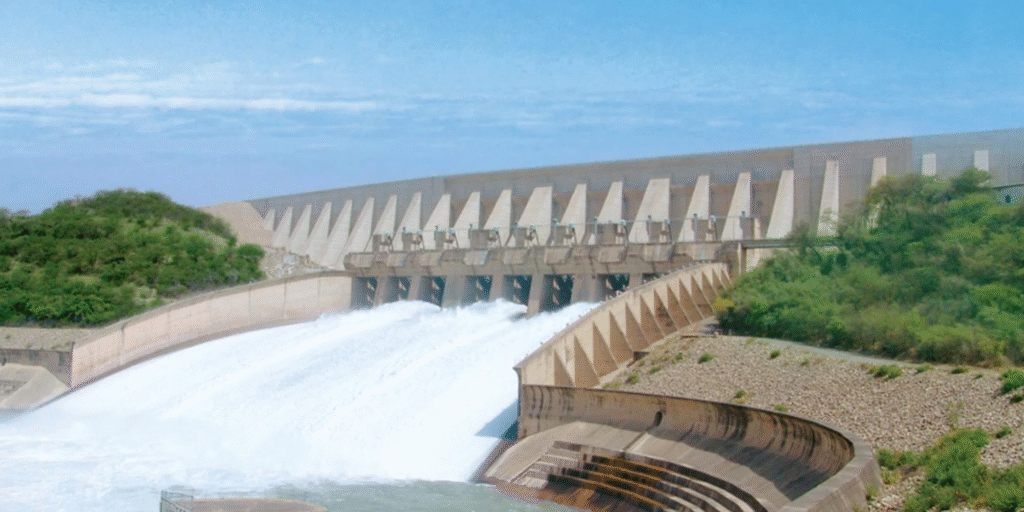
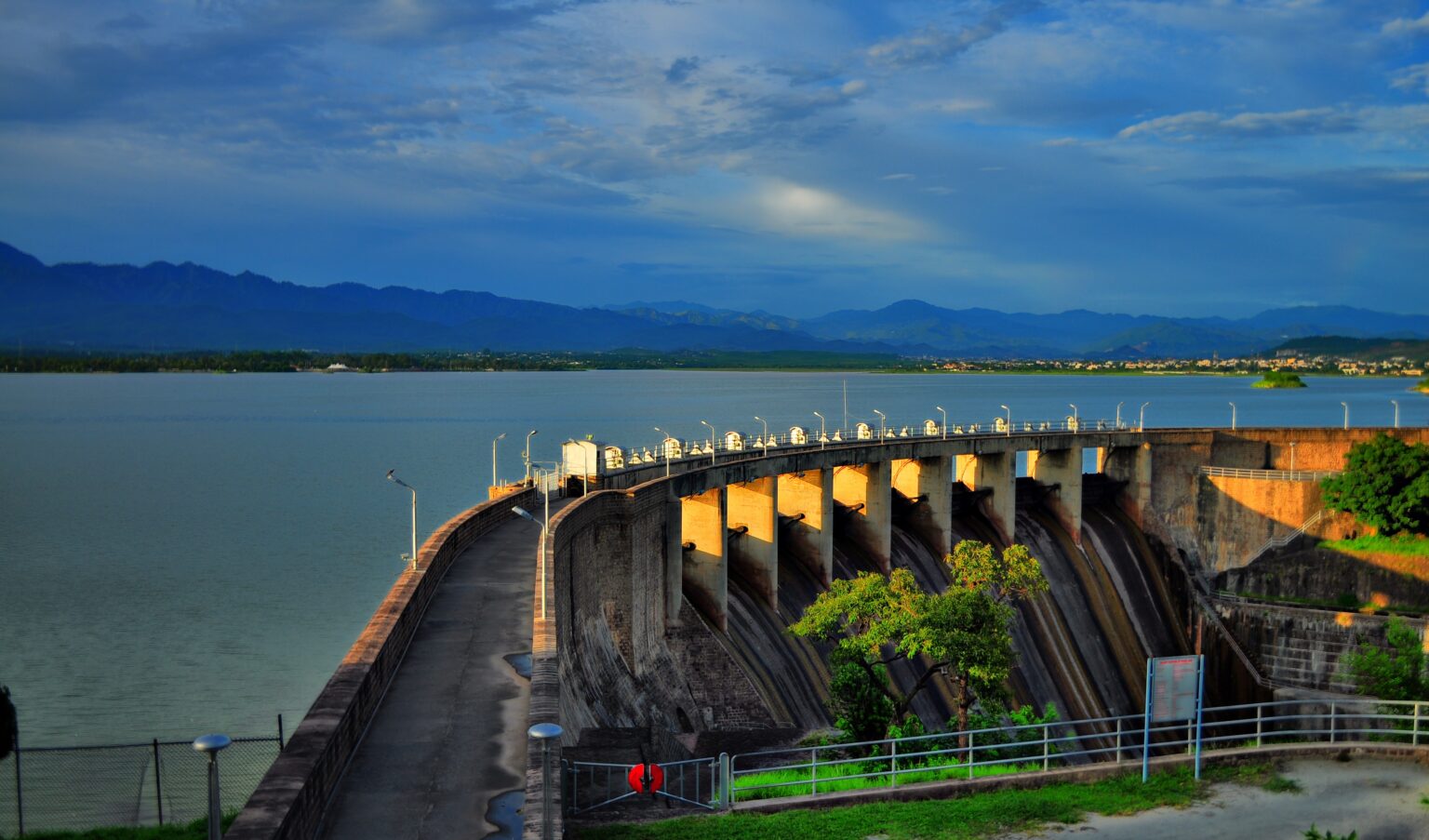
WAPDA figures paint a grim picture: Tarbela, Mangla, and Chashma dams — once national pride — now hold barely a month’s water due to silt and neglect. Meanwhile, Pakistan extracts over 50 MAF from underground every year — more than nature can ever replace.
The prime minister’s call is bold, but action must follow. Work on stalled mega-dams — Mohmand, Dasu, and Diamer-Bhasha — must resume immediately. Provinces need small and medium reservoirs to trap rainwater. And with state coffers running dry, innovative financing like water bonds and public-private partnerships may be the only way forward.
In the end, Pakistan’s survival rests not on speeches but on stones, steel, and reservoirs.