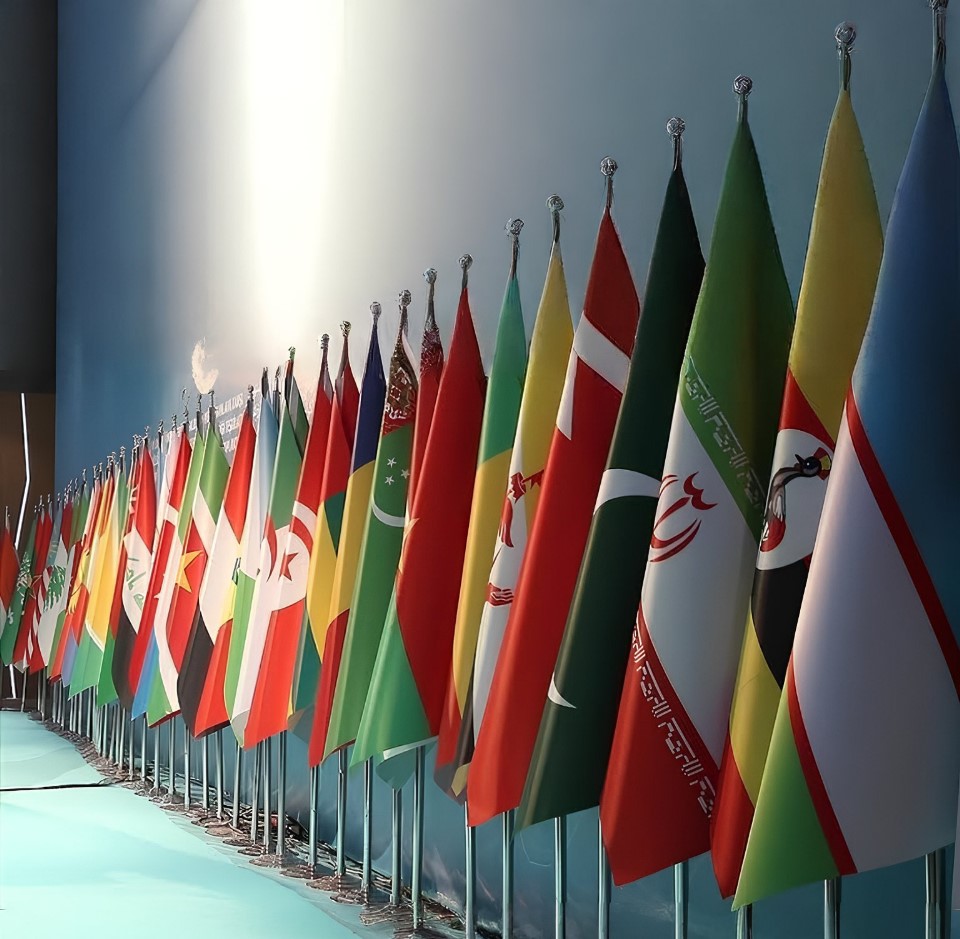
Doha has turned into the diplomatic hub of the Muslim world today as leaders from 57 Islamic countries gather under the banner of the Organisation of Islamic Cooperation (OIC) for an emergency summit. The high-stakes meeting follows Israeli airstrikes on Qatar and escalating tensions over the Palestine conflict.
Pakistan’s Representation
Pakistan is strongly represented at the summit. Prime Minister Shehbaz Sharif is leading the country’s stance, while Deputy Prime Minister and Foreign Minister Ishaq Dar earlier joined OIC foreign ministers in Doha to draft a resolution condemning Israel’s actions.
Why the Summit Matters
According to Pakistan’s Foreign Ministry, the extraordinary session has been convened to address Israel’s strikes on Qatar, its occupation of Gaza, settlement expansion in the West Bank, and the forced displacement of Palestinians—all seen as attempts to impose a new regional reality.
Qatar’s Strong Warning
Qatari Prime Minister Sheikh Mohammed bin Abdulrahman Al Thani issued a sharp warning to Israel and the international community.
“Israel should know that its genocidal war on our Palestinian brothers, aimed at expelling them from their land, will not succeed,”
he declared, calling on global powers to abandon double standards and hold Israel accountable.
He reaffirmed that Doha’s mediation with Egypt and the US will continue despite Israeli aggression.
Global Leaders in Attendance
The summit is witnessing strong representation with over 50 heads of state and senior leaders. Confirmed attendees include:
- Iranian President Masoud Pazishkian
- Iraqi Prime Minister Mohammad Shia al-Sudani
- Turkish President Recep Tayyip Erdogan
- Palestinian President Mahmoud Abbas
Saudi Crown Prince Mohammed bin Salman’s attendance remains uncertain, although his recent solidarity trip to Qatar has already drawn attention.
Draft Resolution Under Discussion
Diplomats say the draft resolution describes Israel’s strikes on Qatar as a “destabilizing escalation” while rejecting any Israeli move to impose a new status quo in the Middle East. However, the current draft does not include sanctions, leaving the door open for last-minute changes.
Symbol of Muslim Unity
The summit is being seen as a historic show of Arab and Islamic solidarity. Despite divisions among Gulf states—some of which normalized relations with Israel in 2020—the strong turnout highlights a renewed push to present a united front.
“Qatar is not alone. Arab and Islamic states stand with it.”
Arab League Secretary-General Ahmed Aboul Gheit summed it up