
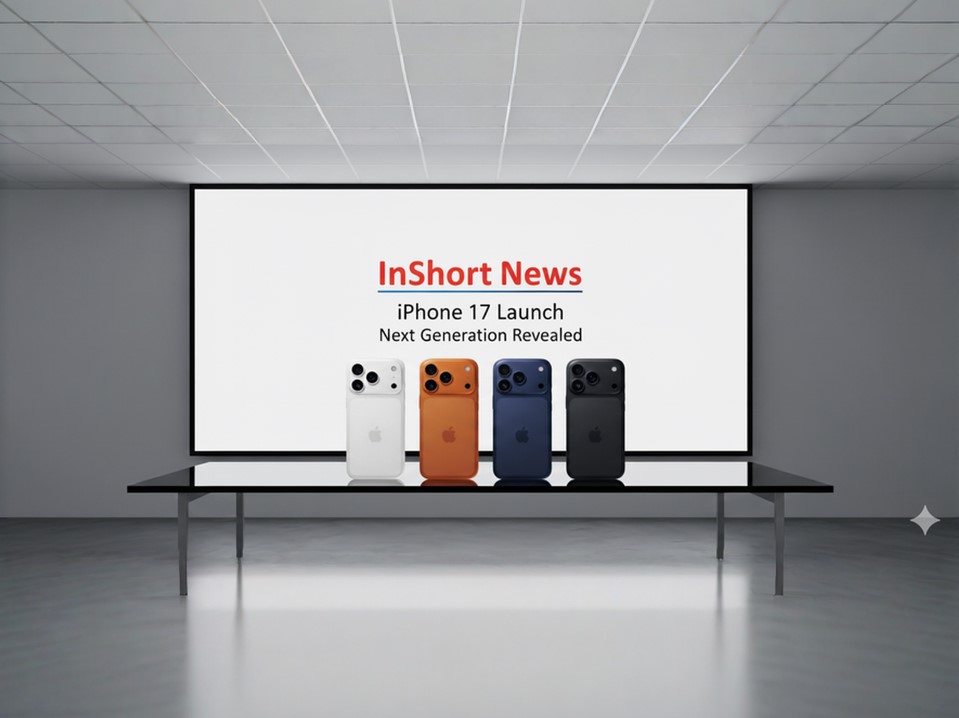
Apple’s September event delivered a showstopper — the iPhone 17 Air, the company’s thinnest and lightest phone ever at just 5.6mm and 165g. Wrapped in titanium with Ceramic Shield 2, it’s not only slim but tough enough to handle everyday drops.
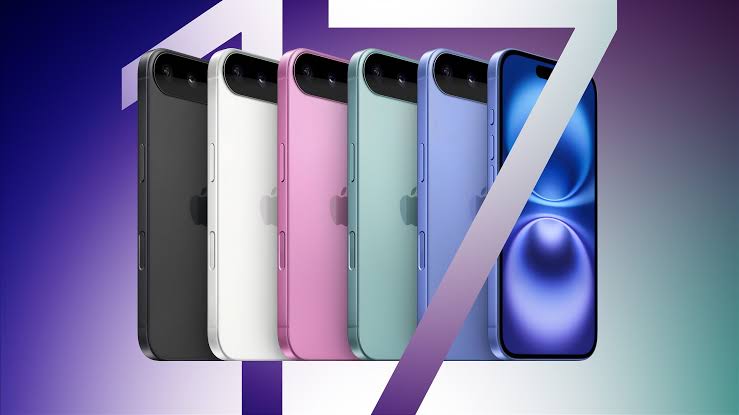
The new iPhone features a 6.5-inch ProMotion OLED display with up to 3,000 nits brightness, making it Apple’s brightest screen yet. Powered by the blazing-fast A19 Pro chip, the phone promises laptop-level performance, all-day battery life, and up to 27 hours of video playback (stretchable to 40 hours with MagSafe battery pack).
Camera fans get a 48MP Fusion rear lens and an 18MP front camera with auto-framing. In another bold move, Apple has removed the SIM tray entirely, making the Air eSIM-only worldwide.
Priced at $999 (256GB), preorders start September 12, with full availability on September 19.
But Apple’s big gamble goes beyond design. Despite tariffs costing the company over $1 billion this quarter, prices remain unchanged — a move aimed at keeping users upgrading. Still, investors worry Apple lags in the AI race, with no big Siri overhaul until 2026.
Apple also revealed AirPods Pro 3 with real-time translation and Apple Watch Series 11 with 5G and new health features, all launching alongside the iPhone Air.
🔥 Sleeker, lighter, tougher — Apple bets on design magic to fuel the iPhone’s next big cycle. But will it be enough to win the AI war and beat tariff troubles?