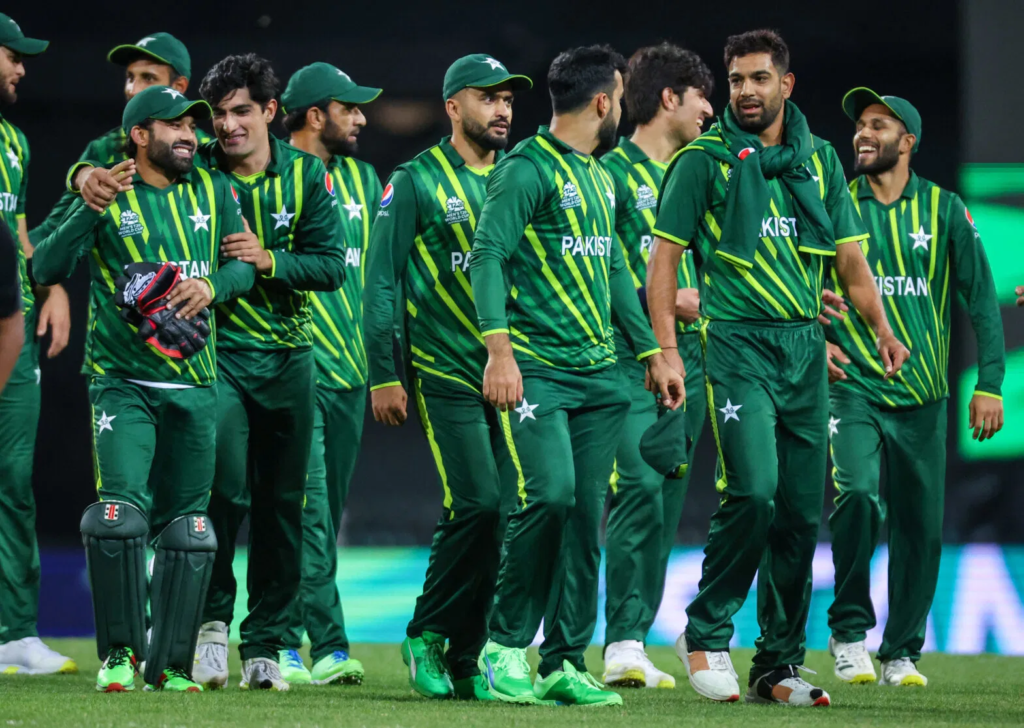
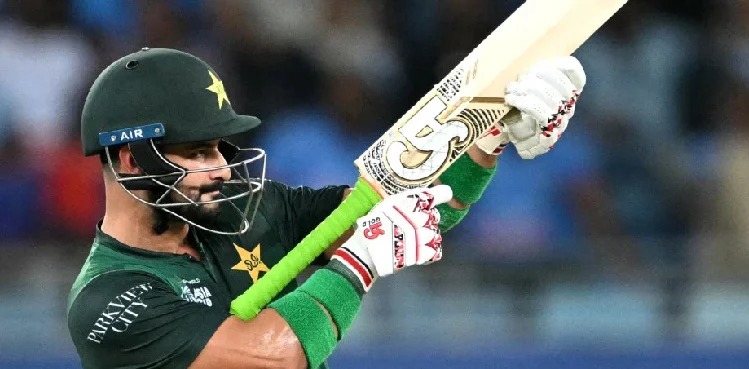
Pakistan’s T20 World Cup campaign showed that cricket is truly a team game, and one player alone cannot win it. While Sahibzada Farhan scored a tournament-high 383 runs, including 2 centuries and 18 sixes, the team still fell short of the semi-finals due to poor performances from other top batters.
✔️ Sahibzada Farhan’s Tournament Stats (2026)
✅ Farhan scored 383 runs in the 2026 T20 World Cup, making him the highest run‑scorer in a single edition in T20 World Cup history — surpassing Virat Kohli’s record of 319 from 2014.
✅ He played 7 matches and scored two centuries and two fifties this tournament.
✅ His average was 76.60 with a strike rate around 160.
✅ Farhan became the first batter to score two centuries in one T20 World Cup edition.
✔️ Historical Record Context
📊 Most runs in a single T20 World Cup edition:
Mahela Jayawardene – 302 (2010)
Sahibzada Farhan – 383 (2026)
Virat Kohli – 319 (2014)
Tillakaratne Dilshan – 317 (2009)
Babar Azam – 303 (2021)
❌ Other Batters’ Underperformance
Intersting but shameful is that other batsmans including Saim Ayub , Salman ALi Agha , Babar Azam and Usman Khan have collectively manged 281 runs 102 runs less then Sahibzada
Saima Ayub: 70 runs in 6 matches,
Salman Ali Agha: 60 runs in 7 matches, highest score 38
Babar Azam: 91 runs total in 6 matches,
Usman Khan: 60 runs in 7 matches
Do you think you can win world cup with this batting line
Saim Ayub was a fine palyer but now he is the hero of just social media . His “No Look Short” has mesmirized the fans . This man has collected just 6 fifties in last 67 matches with a poor average of 21 . In last 30 matches has scored 579 runs with 2 fifties average 19 , including 6 ducks
Similarly, Salman Ali Agha took advantage of his captaincy to secure the third batting position in the World Cup. But did you know that in both the Asia Cup and World Cup, his highest score is just 38. Across 13 innings, he managed only 132 runs at an average of 11.
Babar Azam’s T20 career seems to have reached its limit. He should consider retiring from this format to focus on Test and ODI cricket. Despite high expectations in the World Cup, he disappointed greatly and looked misfit in the team. To accommodate him, aggressive domestic players like Fakhar Zaman were left out.
By the time this mistake was realized, it was already too late. When Fakhar replaced Saim at the opening alongside Sahibzada Farhan, the performance left everyone stunned—wish it had happened sooner. Similarly, Usman Khan, who abandoned UAE cricket to join Pakistan, has yet to justify that “favor.” While his wicketkeeping was adequate, his batting failed to make an impact.
⚡ Bowling Struggles
Moving on to the bowling, Shaheen Shah Afridi struggled in every match except one, while Naseem Shah often had fitness issues before key games and failed to make an impact even when he played the final match. Salman Mirza proved to be an average pacer.
Shadab Khan, officially an all-rounder, didn’t contribute much with either bat or ball, though he occasionally delivered runs in crucial moments.
Fahim Ashraf played a match-winning innings against the Netherlands, but the team management seemed to lack trust in him as a bowler. Usman Tariq bowled well in all matches except the final one, yet his skills were not used effectively. Similarly, Abrar Ahmed wasn’t utilized properly.
Even “great all-rounder” Mohammad Nawaz managed only 15 runs in 7 matches and was largely ineffective with the ball.
If Sahibzada Farhan were removed from this lineup, the team’s standard could easily drop to that of UAE or Namibia.
🛑 Time for Action: PCB Must Take Responsibility
As with every World Cup, the team disappointed once again. It is now time for the Pakistan Cricket Board (PCB) to act, rather than making promises or cosmetic changes. More than half of the current players do not deserve a place, and underperformers—no matter how big their names—should be dropped.
Domestic performers like Sahibzada Farhan must be given opportunities, and young players who are ready and capable should be prioritized. Many senior cricketers consider playing domestic cricket beneath them, which hurts team balance.
Babar Azam, for example, hasn’t participated in the Quaid-e-Azam Trophy for 6–7 years. Players should be required to play domestic cricket before national selection—India recently enforced this with Kohli and Rohit Sharma. Any Pakistani player who refuses should be kept out of the national team, and league NOCs should be withheld. Even selectors involved in the process, including Aqib Javed, Aleem Dar, and Asad Shafiq, need accountability.
Captains should be appointed only after proper interviews and held responsible for results. Even Hassan should be made answerable for team failures. If no decisive action is taken now, it won’t be long before Pakistan cricket faces a crisis similar to what happened in hockey.