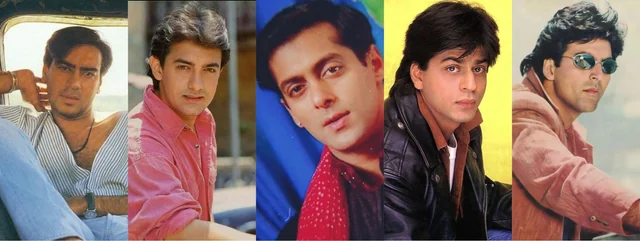

Bollywood has a long history of romanticizing obsession, control, and emotional intensity, and this trend continues today in films like Dhundhaar, Siyarah, and Pushpa. What once began with Devdas (2002) and Dhadkan (2003) — heroes who were emotionally intense, controlling, and even coercive — has now evolved into flashy, high-octane portrayals of “love” that glorify anger, aggression, and boundary-crossing as passion.
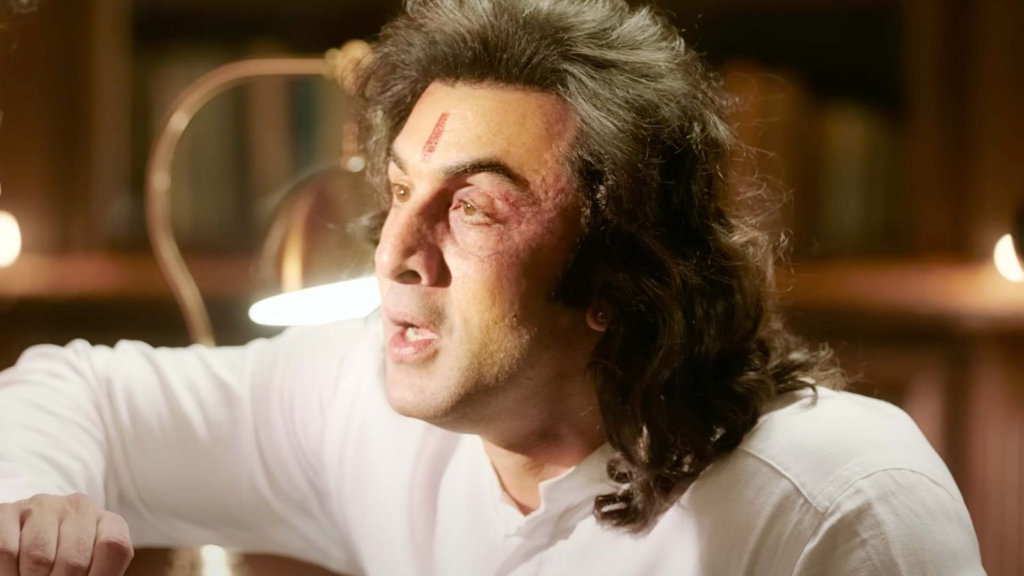
In Dhundhaar, Ranveer Singh’s Hamza risks his life for a mission yet becomes consumed by extreme love for a woman, showing that obsession is romantic. Siyarah depicts Dhansh going to extraordinary lengths to ensure a woman responds to his feelings, implying that sacrifice and intensity justify coercion. In Pushpa, Krish Kapoor’s character channels his anger and unstable emotions through a woman’s affection, suggesting that love can “fix” emotional imbalance.

These portrayals blur the line between love and emotional abuse. Women on screen are often shown surrendering unquestioningly, while the hero’s aggression is glorified. Audiences, especially younger viewers, may internalize the idea that extreme behavior, obsession, and coercion are signs of passion.
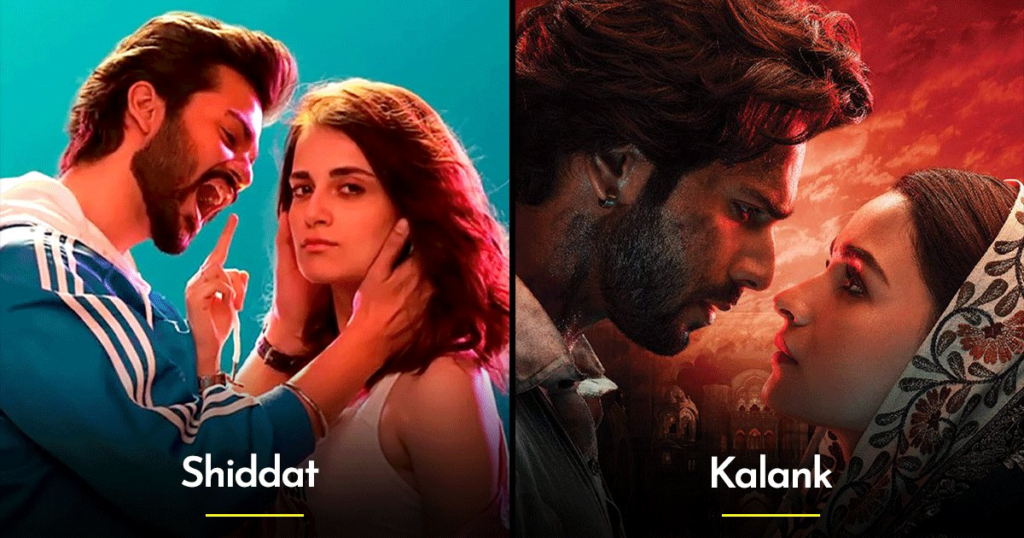
This is not a new phenomenon. Even films like Devdas and Dhadkan celebrated obsessive and controlling love, presenting emotional turmoil as romance. Today, with modern actors and high-budget visuals, this messaging is even more influential.
Film analysts note that such heroes appeal to young men who seek vicarious emotional intensity, equating aggression with masculinity and passion. While entertaining, this trend risks normalizing toxic behaviors in real-life relationships.
However, Bollywood also proves that love can be portrayed healthily. Films like Piku (2015), Badhaai Ho (2018), and Safer (2016) show that romance can be respectful, authentic, and emotionally rich without obsession or aggression. True heroes demonstrate patience, empathy, and understanding — qualities that inspire positive relationship behavior.
If Bollywood continues to glamorize “toxic heroes,” society risks accepting aggression and emotional manipulation as romance. Real love on and off-screen should be nurturing, respectful, and empowering — not intense, controlling, or coercive.