
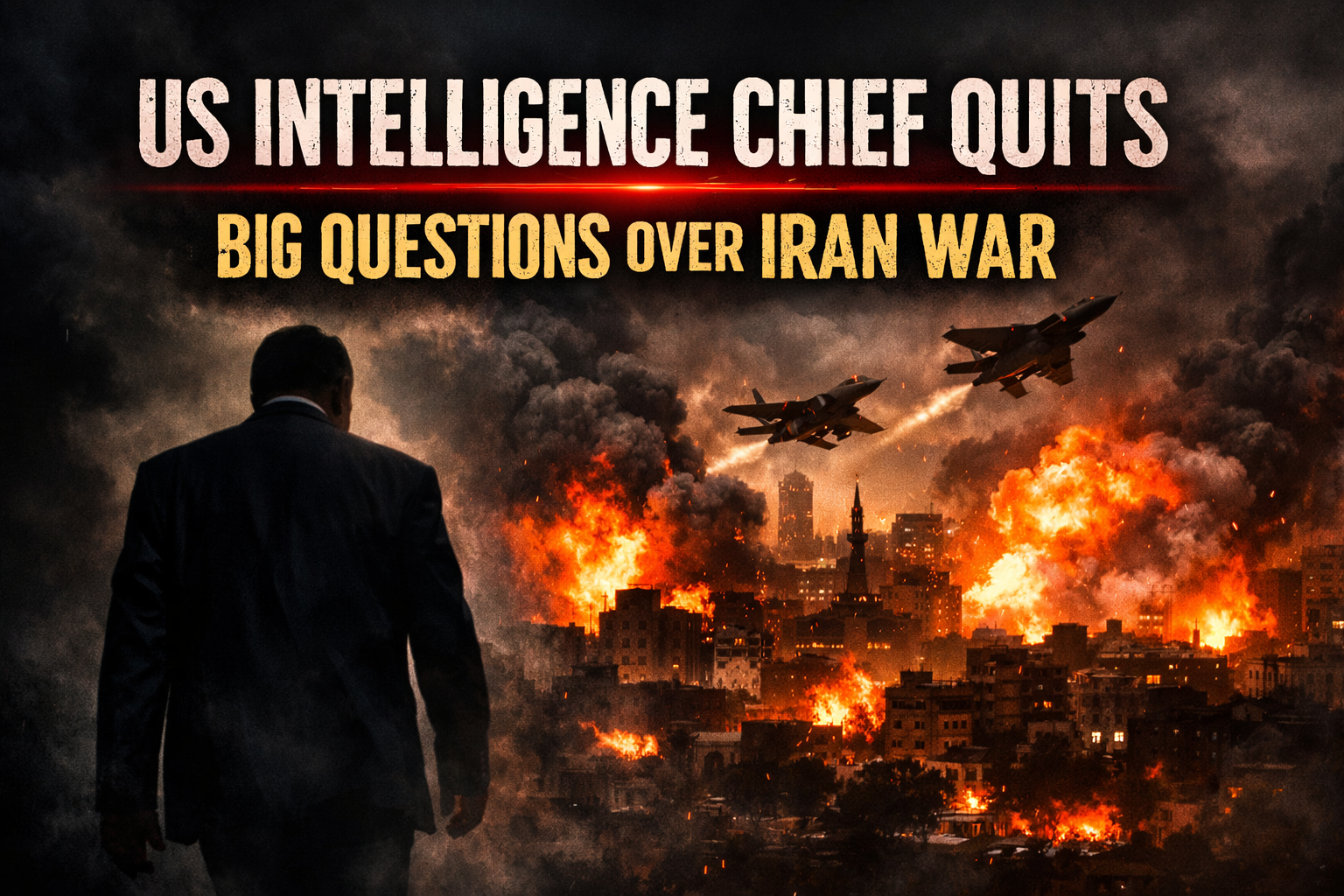
18 March 2026- Washington tensions spill into the open as a top US counterterrorism official steps down, raising serious questions about Trump’s Iran war narrative.
A major development has emerged from the United States, where National Counterterrorism Center Director Joe Kent has resigned, citing conscience over the ongoing war with Iran.
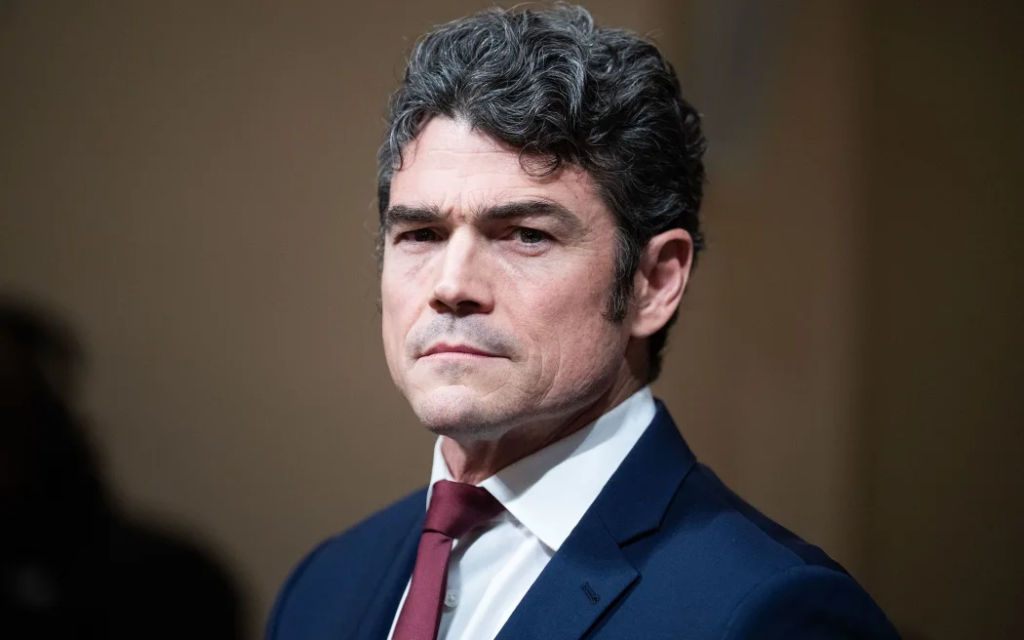
In a statement shared on social media, Kent said he could not support the war “in good conscience,” adding that Iran did not pose an immediate threat to the US. He claimed the conflict was driven by pressure linked to Israel and its allied circles, sparking debate over the true motivations behind the war.
Kent also pointed toward misinformation campaigns, alleging that influential media narratives helped create urgency around a perceived Iranian threat, ultimately shaping decisions under President Donald Trump. He warned that such strategies echoed past justifications used during the Iraq war, which led to long-term human and financial losses.
A former soldier with multiple combat deployments, Kent shared a personal dimension, saying he had already paid a heavy price in war and could not support sending a new generation into a conflict that offers no clear benefit to American citizens.
Responding to the resignation, President Trump dismissed Kent’s stance, calling him “weak on security” and insisting that Iran has long been a significant threat — a view he says is widely acknowledged globally.
The development highlights growing divisions within US leadership circles, not just between political opponents but also within policy-making institutions. Analysts believe this could signal deeper cracks in Washington’s stance on the Iran conflict, with potential ripple effects on global geopolitics.
Meanwhile, questions continue to rise: Was the war unavoidable, or was it a result of strategic pressure and perception-building?