
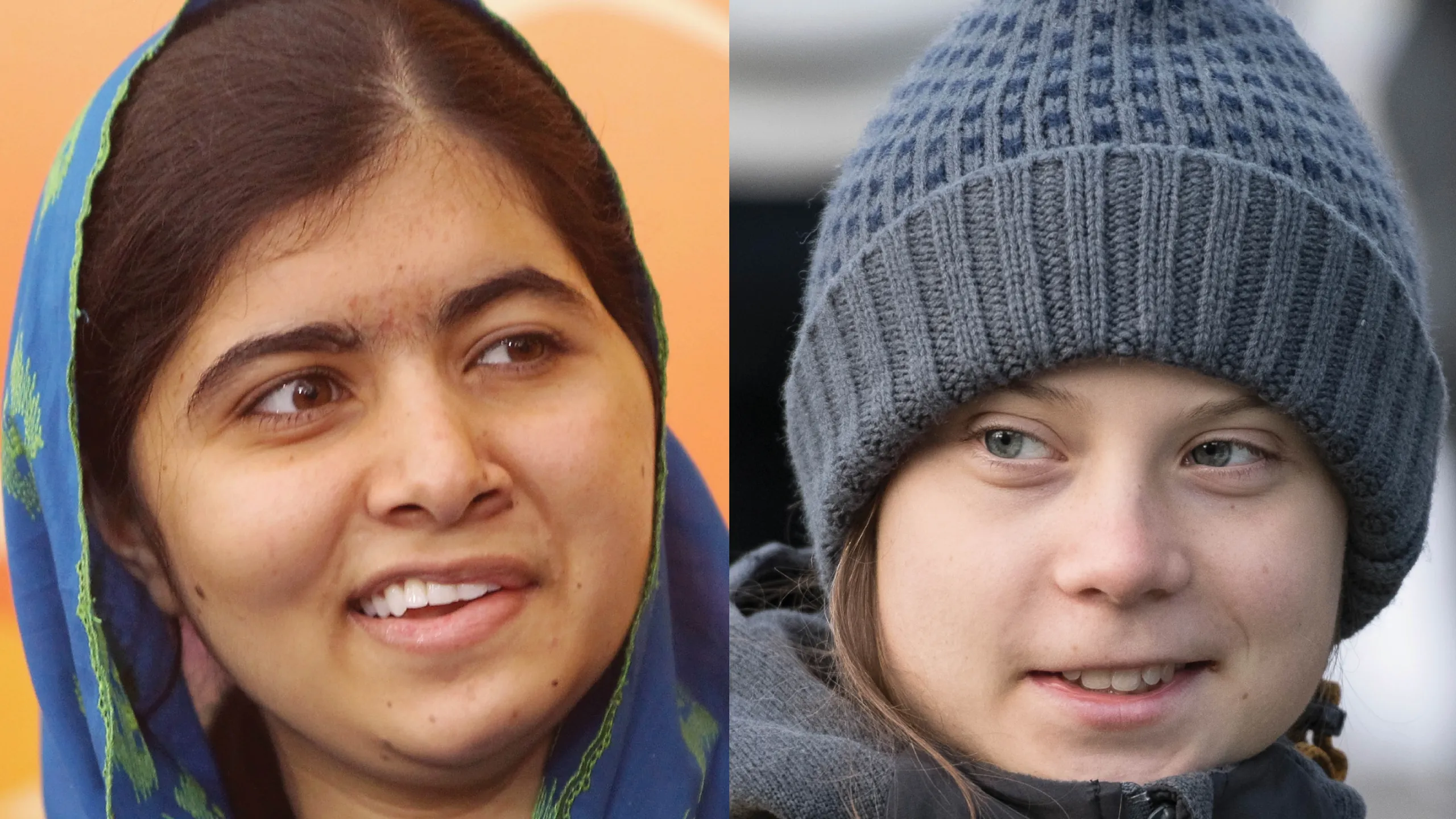
Greta Thunberg and Malala Yousafzai — two of the world’s most recognized young voices — continue to walk distinctly different paths in their activism. While Greta leads rallies for Gaza and global climate justice, Malala recently made headlines by admitting she once tried weed during her Oxford University days.
Both remain powerful internatioanlly recognized teeagers , yet their stories show how activism can take many forms.
Swedish activist Greta Thunberg has spent her youth challenging world leaders over climate inaction. Known for her direct tone and unrelenting protests, Greta’s movement has inspired millions worldwide.
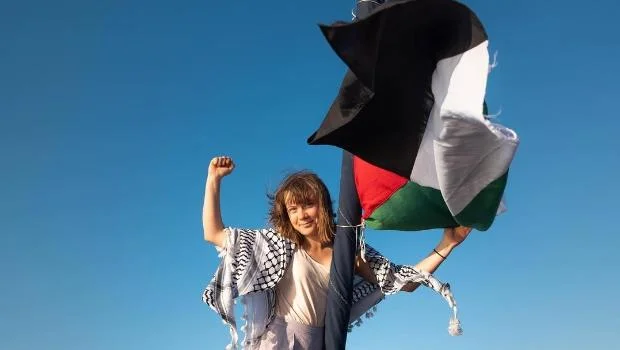
Recently, she added her voice to calls for peace and justice in Gaza, leading demonstrations and urging governments to take a moral stand on humanitarian crises.
Malala Yousafzai, the Pakistani Nobel Peace Prize laureate, rose to fame after surviving a Taliban attack in 2012 for advocating girls’ education. There are alot of questions about her journey from Swat to Oxford turned her into a global advocate for women’s rights and education equality.
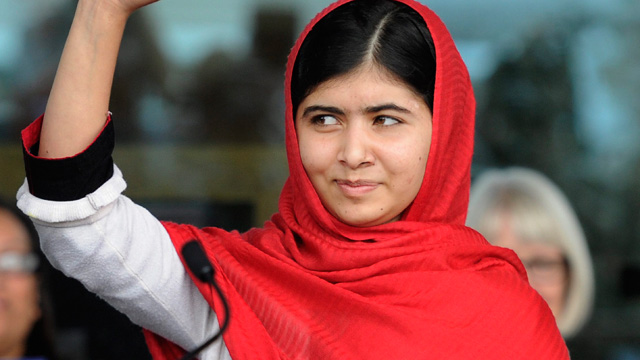
In a candid interview with a British outlet, Malala revealed that during her university years she once experimented with weed with friends — an experience that triggered flashbacks of her early trauma in Swat.
“For a moment, it felt like I was back there — the fear, the sounds, the chaos,”
she recalled.
The revelation sparked mixed reactions online, with many praising her honesty and openness. It also highlighted the personal side of a figure often seen through the lens of perfection and public duty.
Greta and Malala, though strikingly different in personality and approach, embody the evolving face of modern activism — Greta through confrontation and protest, Malala through diplomacy and education. Both continue to shape global conversations about justice, freedom, and human responsibility in their own unique ways.