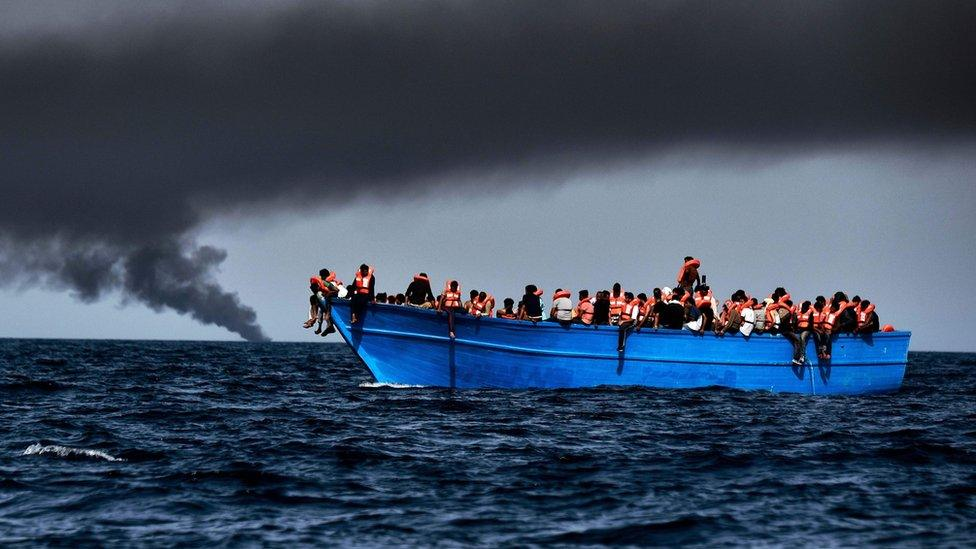
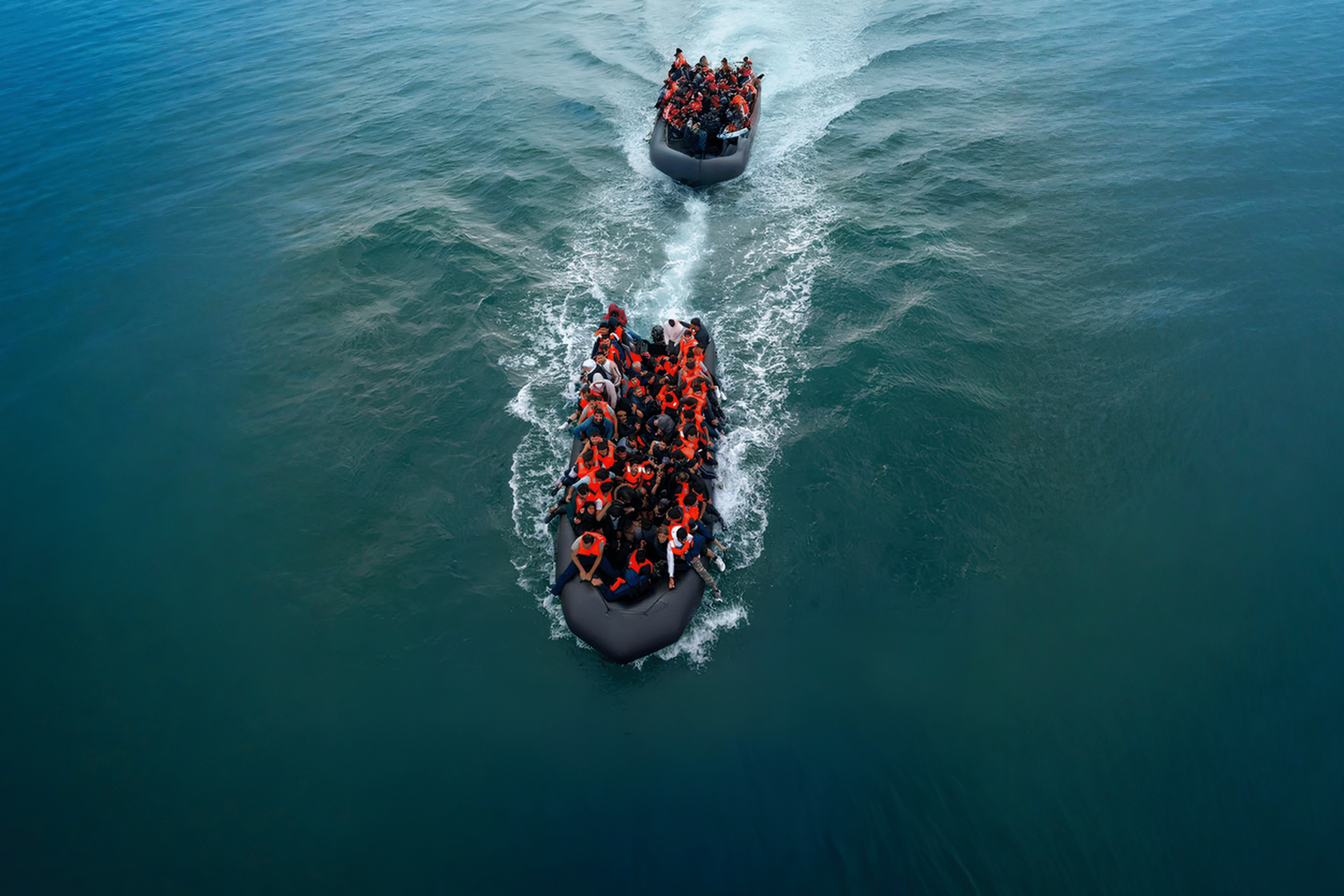
Arabian Sea – August 4, 2025 A devastating migrant tragedy has unfolded off the coast of Yemen, as a boat carrying approximately 150 people capsized in the Arabian Sea near Abyan province on Sunday, killing at least 68 migrants, with dozens still missing.
According to the International Organization for Migration (IOM), only 12 survivors have been rescued so far. The rest are either unaccounted for or confirmed dead. The vessel was carrying mostly Ethiopian nationals, desperate to reach the Gulf states in search of safety, work, and a better life.
“This is heartbreaking,” said an IOM spokesperson. “These migrants were risking everything — and lost everything.”
One of the Deadliest Routes in the World

Yemen’s southern coastline, despite the country’s ongoing conflict and humanitarian crisis, remains a major gateway for migrants traveling from the Horn of Africa to the Gulf. The journey — often orchestrated by traffickers — is treacherous, with many boats overcrowded, poorly maintained, and operated in dangerous waters.
So far in 2024, more than 60,000 migrants have arrived in Yemen, according to IOM data. But the cost of the journey is often death: over 3,400 migrants have died or gone missing on this route between 2014 and 2024, 1,400 of them drowned.
“Yemen is a war zone, yet it continues to serve as a tragic transit point for the desperate and displaced,” said Abdusattor Esoev, IOM’s Chief in Yemen.
Bodies Wash Ashore as Rescue Operations Intensify
Local authorities have launched a large-scale search and rescue mission. So far, 54 bodies have been recovered in Khanfar district, while 14 more have been taken to a morgue in Zinjibar, the provincial capital.
Security teams warn that bodies are still being found along a wide coastal stretch, suggesting the final death toll may rise.
The IOM is on the ground assisting with emergency operations, providing aid to survivors, and helping local authorities with recovery and identification efforts.
Smugglers to Blame: ‘They Knew the Risk’
The tragedy has reignited international outrage over the ruthless exploitation of migrants by human traffickers. IOM officials say smugglers often force migrants onto boats that are not seaworthy — especially at night — to avoid detection by coastal patrols.
“Smugglers are knowingly putting lives at risk,” said an IOM representative. “They exploit the hopes of vulnerable people, with no regard for their safety.”
The IOM is now calling on governments and international partners to act decisively — not just in response to this tragedy, but to addressd the systemic issues driving these deadly journeys.
“People take these risks because they have no safe, legal alternatives,” said Esoev. “Until we create regular migration pathways, these deaths will continue.”
A Global Wake-Up Call
This is far from the first maritime disaster involving migrants — and unless global action is taken, it won’t be the last.
The IOM and humanitarian organizations are urging governments to crack down on smuggling networks, expand legal migration options, and protect the rights of those who are most vulnerable.
As Yemen’s shores become yet another graveyard for the world’s forgotten travelers, one thing is clear: the world cannot afford to look away any longer.