
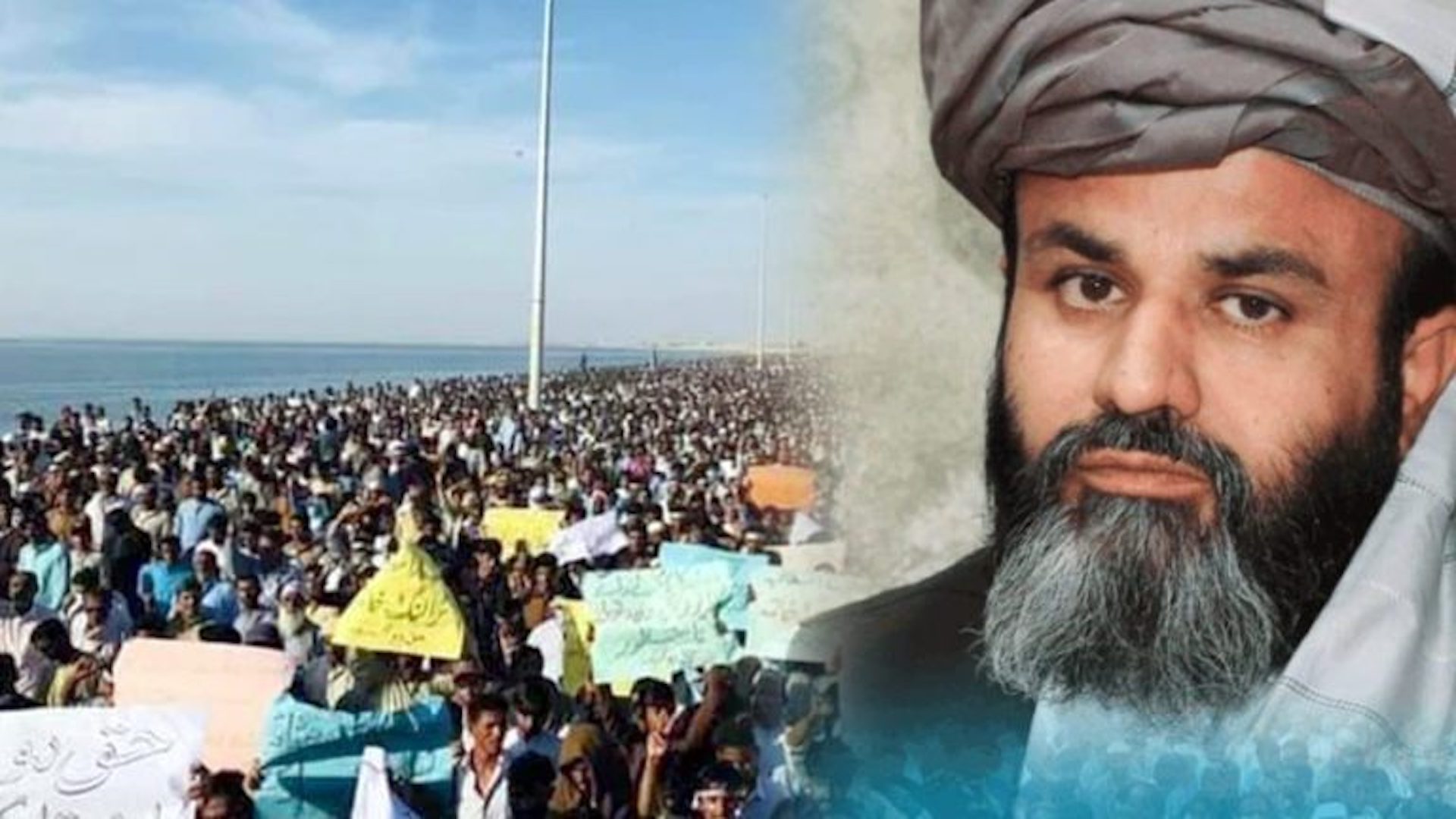
In a major political twist, Minister of State for Interior Talal Chaudhry met with Jamaat-e-Islami (JI) leaders Liaqat Baloch and Secretary-General Ameerul Azeem at Mansoorah, Lahore, to discuss the rapidly gaining Haq Do Balochistan Ko long march—currently moving from Quetta to Lahore under the fiery leadership of Gwadar Rights Movement’s Maulana Hidayat ur Rehman.
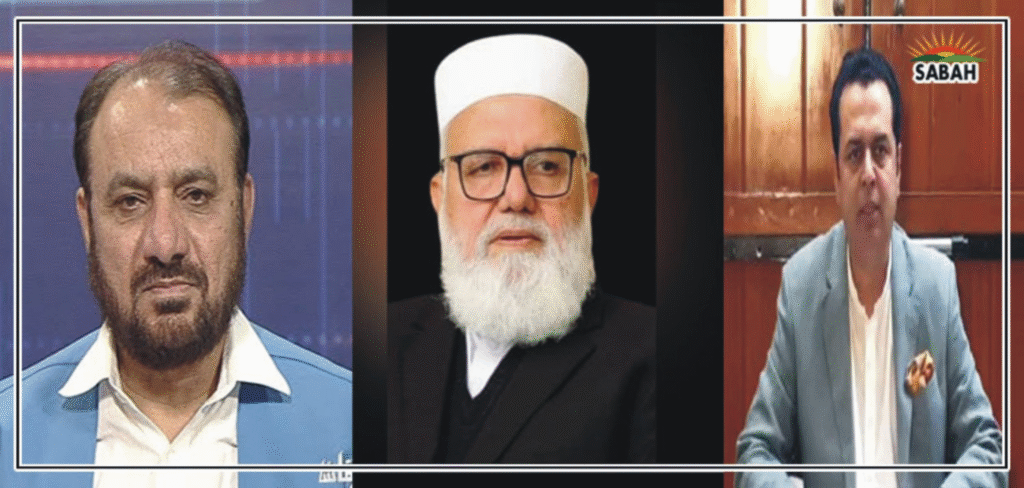
The two sides reached a consensus on the route and security protocols for the march. As per the agreement, the protest caravan will travel through Muzaffargarh, then Multan, before arriving in Lahore. Talal Chaudhry assured full state protection from Multan onwards, stating that the right to peaceful protest would be respected.
He also revealed that a federal-level committee has been activated to maintain continuous dialogue with the movement’s leadership. “The committee will function, but let there be no confusion—the march cannot be suppressed in the name of talks,” he said, addressing rising skepticism over the government’s intent.
Who’s Leading the Movement?
Maulana Hidayat ur Rehman, the charismatic face of the Gwadar Rights Movement, is leading the long march. Known for rallying masses in Gwadar against illegal fishing trawlers and enforced disappearances, Hidayat has become a symbol of Baloch resistance and civil rights.
This latest march, launched from Quetta, is a national escalation of his campaign to secure justice and dignity for the people of Balochistan. As the march progresses east, support is swelling—drawing large crowds and triggering solidarity from political outfits like Jamaat-e-Islami.
JI’s Full Backing, Govt in a Tight Spot
Jamaat-e-Islami has pledged unwavering support. Ameerul Azeem declared, “Our fight for public rights will stay within the Constitution, but the grievances of Balochistan can no longer be ignored.”
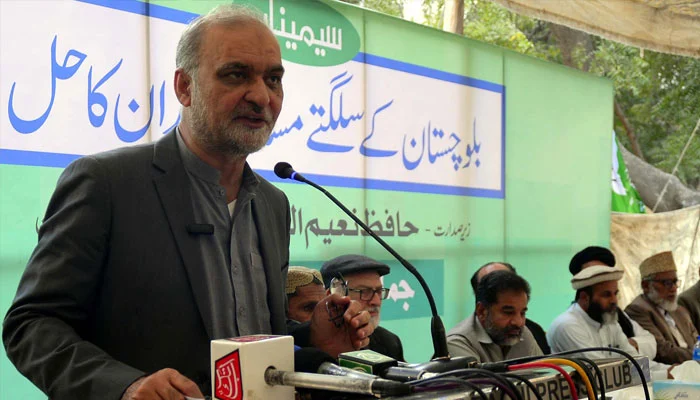
Liaqat Baloch echoed the sentiment: “It’s not just about slogans anymore. This is about decades of silence over missing persons, economic exploitation, and state neglect. The march must stay peaceful—but the government must listen.”
Talal Chaudhry, representing the federal government, acknowledged the seriousness of the concerns and underlined the state’s commitment to ensuring a peaceful culmination of the Lahore phase. Discussions about a potential extension of the march to Islamabad are still on the table, he said.
National Momentum, Rising Tensions
What began as a provincial protest is now a national movement. Maulana Hidayat’s emotionally charged addresses are going viral. Hashtags like #HaqDoBalochistanKo are trending across platforms. What’s more, public sentiment appears to be turning in favour of the marchers, particularly youth and civil society.
The question remains: Will the march conclude in Lahore, or will it become the next big movement headed for Islamabad?
One thing is clear—this is no longer just a march. It’s a reckoning.