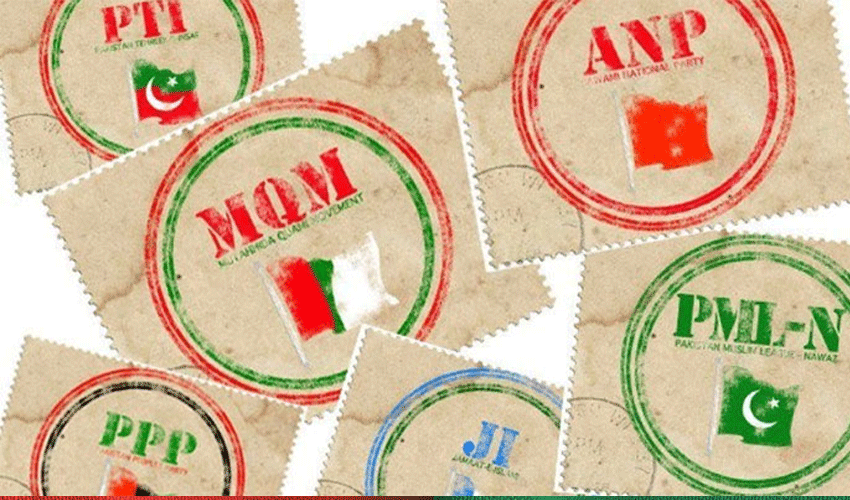
65% of Political Parties in Pakistan Don’t Even Have a Website
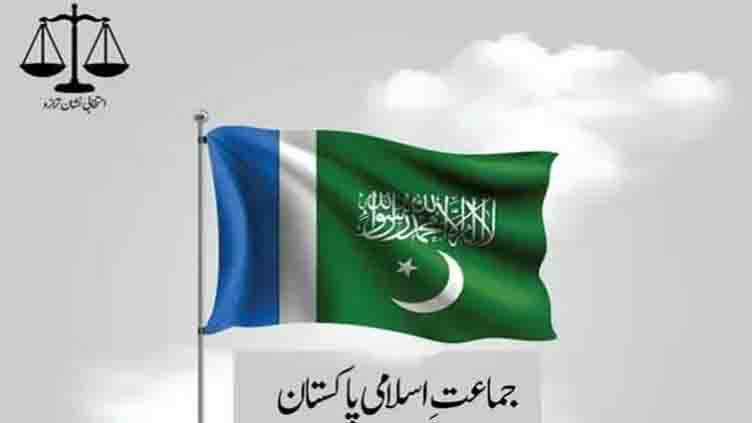
Digital Democracy is leveling up in Pakistan! FAFEN’s latest report crowns Jamaat-e-Islami as the leader with the most informative and transparent website, setting a high bar for online political engagement.
Not far behind, PTI secures the second spot despite its site being blocked locally, while PPP claims third place with a solid digital presence. As parties race to boost their web game, the push for transparency and accessibility is more real than ever!
The Free and Fair Election Network (FAFEN), in its latest report “Assessing Web Presence of Political Parties in Pakistan,” found that only 35% (just 58 out of 166 registered parties) have even partially functional websites. And even among the 20 political parties currently in Parliament or Provincial Assemblies, 6 don’t have working websites at all.
What’s Missing?
It’s not just about having a website — it’s what’s on (or not on) them that’s worrying. Under Pakistan’s Elections Act, 2017, parties are legally bound to disclose core information online:
- Only 40 parties have listed their central office bearers,
- Just 6 bothered to post details about their executive committee,
- None have disclosed how they select candidates, or info about their general councils,
- And only 1 party has uploaded its audited financial statements.
Despite having active social media handles, parties seem to treat official websites like an afterthought — even though social platforms aren’t meant for storing important, structured, and accessible public records.
The Scoreboard: Who’s Leading?
FAFEN scored parties based on 30 key information points. Here’s how some of them ranked:
- Jamaat-e-Islami (JI) — 18/30
- PTI — 15/30 (but blocked in Pakistan, only accessible via VPN)
- PPP — 12/30
- PML-N — 11
- ANP — 9
- HDT & MQM-P — 8 each
- TLP & JUI-P — 6 each
- MWM — 5, BAP — 4, PML-Q — 1
- Best non-parliamentary performance: Pakistan Tehreek Shadbad (PTS) with a score of 13
What’s There — and What’s Not
Most active websites include:
- Party aims and objectives (88%)
- Contact details (83%)
- Social media links (79%)
- Membership procedures (69%)
But when it comes to transparency, the gaps are gaping:
- Only 38% uploaded their party constitution,
- Only 12% posted a GE-2024 manifesto,
- Just 1 party published its financial statement and office bearers’ assets & liabilities.
Worse still, legal requirements like outlining intra-party elections, donation bans, suspension rules, and office bearer tenures were only fulfilled by one party.
Bottom line? Pakistan’s political parties need to step up their digital game — not just for visibility, but to comply with the law and earn public trust. In 2025, democracy isn’t just on the ground — it’s online too.